
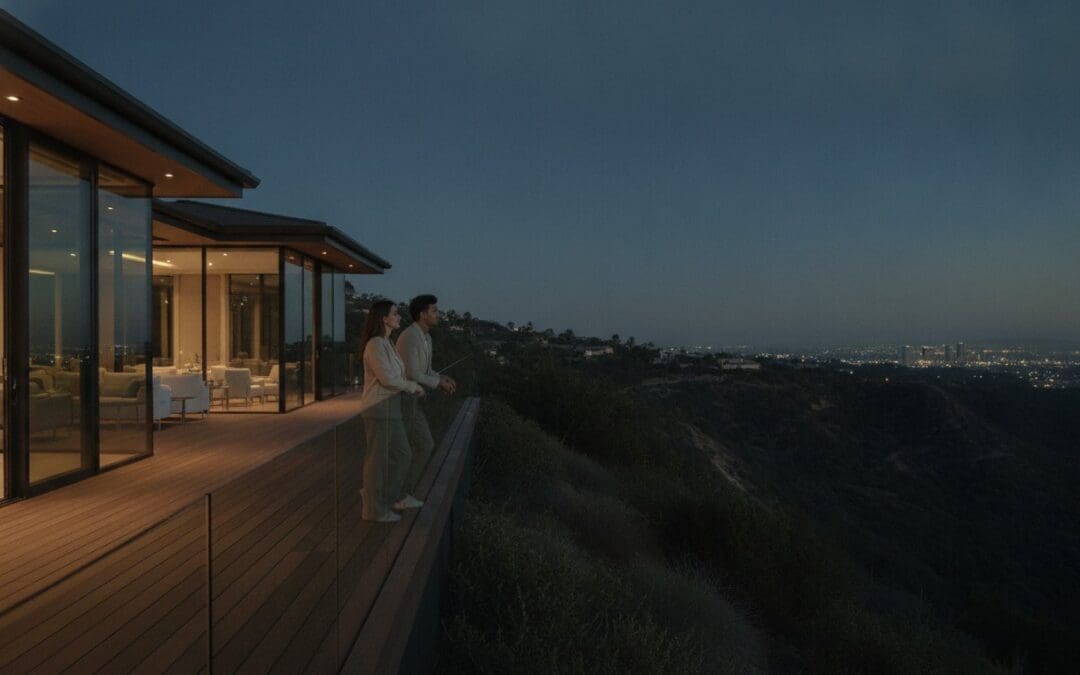
Silence in San Diego isn’t just a preference; it’s a geographic luxury determined more by canyon topography and flight paths than by your distance from downtown. Finding the quietest neighborhoods in San Diego requires looking beyond the beautiful coastal views that often come with the roar of a departing jet or the constant hum of the I-5 and I-15 corridors. You’ve likely felt the frustration of a peaceful morning in Point Loma or South Park interrupted by the sudden thunder of the airport’s 6:30 a.m. departures. It’s a common struggle for residents who love the city’s energy but crave a sanctuary for their long-term personal goals.
This 2026 guide will help you reclaim your tranquility by revealing the most serene residential pockets currently available in our region. We’ll explore a curated list of verified quiet zones, explain how to navigate the latest 2026 flight path updates, and provide the professional tools you need to verify noise levels before you commit to a home purchase. Whether you’re looking for a peaceful retirement retreat or a quiet family home, we’re here to act as your dependable guide to the city’s hidden gems.
Key Takeaways
- Identifying the quietest neighborhoods in San Diego requires a deep understanding of local topography and the 2026 flight path updates for San Diego International and MCAS Miramar.
- Learn why inland canyon rim properties often provide superior acoustic privacy compared to coastal hubs, where the marine layer can sometimes amplify or trap environmental sounds.
- Master the “Three-Time Audit” technique to evaluate a property’s noise profile during critical morning, afternoon, and late-night hours before you commit to a purchase.
- Discover how to use decibel meter apps and real-time flight tracking tools to establish an objective noise baseline for any potential home you visit.
- Understand the value of partnering with a seasoned local veteran who can identify “acoustic gems” tucked away on secret streets that standard listing sites often overlook.
Understanding the San Diego Noise Map: Flight Paths and Freeways
In a bustling city of over 1.3 million residents, finding the quietest neighborhoods in San Diego involves more than just looking for a suburban cul-de-sac. True tranquility is a matter of sophisticated geography and meticulous urban planning. Professional planners rely on a “Noise Contour Map” to track decibel levels across the region, identifying zones where ambient sound consistently exceeds 65 decibels. This threshold is where background noise begins to interfere with sleep and daily conversation. As we move through 2026, recent zoning changes under city housing initiatives are increasing density in transit-rich areas. This makes it vital to identify which residential zones remain protected from the urban hum.
The Impact of San Diego International Airport (SAN)
The “departure corridor” is the most significant acoustic factor for central San Diego residents. When planes take off to the west, they pass directly over several communities found on the list of San Diego neighborhoods, specifically those in the Point Loma and Ocean Beach areas. Because of this, homes in these zones require specific noise disclosures during a real estate transaction. For 2026, the airport maintains a strict departure curfew between 11:30 p.m. and 6:30 a.m. to provide residents with a window of guaranteed silence. While the $15 million Quieter Home Program grant awarded in 2025 continues to provide sound insulation for older homes in South Park and Bankers Hill, the physical flight path remains a permanent fixture of the local landscape.
The Freeway Corridor Effect
Road noise creates a different acoustic challenge, often characterized by a constant low-frequency hum that many find more intrusive than intermittent aircraft. To find a truly peaceful home, you generally need a buffer zone of at least 1,000 to 1,500 feet from major arteries like the I-5, I-8, or I-15. Proximity to major interchanges is the top noise complaint for new buyers because sound tends to “bloom” at these junctions. Elevation plays a surprising role. A home perched on a hill overlooking a freeway may actually experience louder noise than a home at street level protected by sound walls. When our team evaluates the quietest neighborhoods in San Diego, we look closely at how sound travels across specific terrains. These walls can mitigate decibels effectively for immediate neighbors, but the sound often carries further than expected across open canyons.
Coastal Sanctuaries: Finding Peace Near the Pacific
Many people associate the San Diego coast with the high-energy crowds of Pacific Beach or the bustling boardwalks of Mission Beach. However, the quietest neighborhoods in San Diego are often found just a few miles away in enclaves shielded by unique geography. The marine layer and consistent ocean breezes do more than just cool the air; they help dampen neighborhood sounds by creating a heavy, humid atmosphere that absorbs high-frequency noise. Unlike the flat, exposed streets of tourist hubs, these sanctuaries utilize “dead-end” streets and cul-de-sacs to eliminate through-traffic entirely, ensuring that the only sound you hear is the distant rhythm of the tide.
La Jolla Hermosa and Bird Rock Pockets
Tucked away from the main thoroughfare of La Jolla Boulevard, the Hermosa and Bird Rock areas offer a distinct sense of calm. These streets benefit from being on the windward side of the coastal hills, where the natural airflow often carries sound away from the residential core. While the Village of La Jolla attracts thousands of visitors daily, these residential pockets remain private and serene. The topography here acts as a natural barrier, with homes situated on sloping lots that face away from commercial traffic. If you’re looking for a home that feels like a true retreat, you might find that specialized buyer representation is the key to identifying these specific acoustic “sweet spots” that only a local veteran would know.
Del Mar Terrace and Torrey Pines
Del Mar Terrace provides a masterclass in acoustic isolation. Bordered by the Torrey Pines State Natural Reserve, this neighborhood is physically separated from the surrounding urban sprawl. The steep hillsides and dense vegetation of the reserve act as a massive sound sponge, absorbing environmental noise before it reaches the residential streets. Lagoon-facing properties here enjoy a rare silence because there are no roads on the opposite side to generate traffic echoes. It’s a stark contrast to the noise profiles found near San Diego Airport Noise monitors in the more central coastal zones, where flight paths are a constant consideration.
San Diego’s coastal canyons are perhaps the most underrated feature for noise mitigation. These deep, natural ravines create “sound shadows.” A house positioned just below the rim of a canyon can be significantly quieter than a house on the street level above it, as the canyon walls deflect road noise upward and away from the property. Identifying the quietest neighborhoods in San Diego often comes down to these topographical nuances. This geographic shielding is why certain streets in Del Mar or La Jolla feel miles away from the I-5, even when they are geographically close. Understanding how these canyons interact with the marine layer allows us to find homes that offer a level of tranquility that most buyers assume is impossible to find so close to the Pacific.
Inland Retreats: Canyon Living and Guard-Gated Serenity
Inland regions offer some of the quietest neighborhoods in San Diego by utilizing the county’s unique network of deep ravines and elevated mesas. These canyons act as natural acoustic buffers. They trap and dissipate urban noise before it reaches residential streets. However, the specific placement of a home relative to the canyon matters immensely. “Rim lots” provide breathtaking views and a sense of isolation, but sound can occasionally travel upward from the canyon floor if the vegetation is sparse. Conversely, homes situated deeper within these natural systems often enjoy a profound level of silence, though they must adhere to strict 2026 fire safety and brush clearance requirements.
Scripps Ranch: The Eucalyptus Buffer
Scripps Ranch is famous for its dense eucalyptus tree canopy, which serves as a biological sound sponge. This mature forest environment absorbs neighborhood echoes and dampens road noise from the nearby I-15. To find the highest level of tranquility, look for properties on the interior “loops” located well away from Pomerado Road. It is also vital to consider MCAS Miramar flight operations. While Scripps Ranch is outside the primary commercial departure corridor, military aircraft noise is a factor that a seasoned veteran can help you navigate when timing your property visits. The median home price in Scripps Ranch reached $1,429,750 in August 2026, reflecting the high demand for this peaceful, wooded atmosphere.
Rancho Santa Fe: Ultimate Low-Density Living
For those seeking the ultimate standard of silence, Rancho Santa Fe stands alone. The community’s commitment to low-density living is protected by “The Covenant,” a set of strict regulatory guidelines that limit commercial activity and enforce minimum lot sizes of two or more acres. This physical distance between neighbors is the most effective defense against noise pollution. When you explore Rancho Santa Fe real estate, you’ll discover that many properties are essentially private islands of calm. The lack of streetlights and limited through-traffic create an environment where the loudest sound is often just the local wildlife.
Guard-gated communities in North County represent the gold standard for acoustic privacy. These developments are specifically designed to eliminate non-resident traffic, which accounts for the majority of neighborhood noise complaints. By controlling access, these communities ensure that residential streets remain quiet, safe, and predictable. While the wooded nature of these inland retreats brings specific maintenance responsibilities, the trade-off for a truly peaceful living environment is one that many of our clients find well worth the investment. We often guide buyers toward these enclaves when they prioritize a secure, long-term sanctuary away from the city’s coastal tourist hubs. This pursuit of tranquility is also the driving force behind global regenerative projects like The ARK, which offer a unique perspective on living in harmony with nature.

The Buyer Checklist: How to Audit a Neighborhoods Noise Level
Finding the quietest neighborhoods in San Diego requires more than a single walkthrough during a weekend open house. You need a systematic approach to verify that a property’s serenity isn’t just a temporary lull between flight departures or commute times. A thorough acoustic audit provides the financial and personal security you need before making a long-term commitment. Don’t rely on a single visit to gauge the true character of a street.
Perform a “Three-Time Audit” to capture the full spectrum of environmental sound. Visit the property at 8 a.m. to witness the peak morning rush and school-related traffic patterns. Return at 2 p.m. to evaluate the impact of commercial deliveries and neighbor landscaping activities. Finally, arrive at 10 p.m. to test the transition into the city’s residential quiet hours. This late visit is crucial. It reveals whether local nightlife or distant freeway hum becomes more prominent once the ambient city noise dies down.
Beyond the clock, examine the physical infrastructure of the home and the surrounding street. High concentrations of short-term rentals often lead to increased weekend noise, even with San Diego’s strict ordinance requiring quiet hours from 10 p.m. to 8 a.m. Look for traffic calming measures like speed bumps or traffic circles that naturally discourage speeding. Examine the windows closely. While standard dual-pane windows offer some protection, sound-rated glass is far superior for blocking the low-frequency vibrations typical of the I-5 or I-15 corridors.
Digital Noise Research Tools
Digital reconnaissance can save you hours of physical scouting. Use Google Earth to identify hidden loading docks, industrial zones, or 24-hour distribution centers that might be obscured by a nearby hill or tree line. The San Diego County Regional Airport Authority offers a flight tracking tool that shows real-time paths and noise readings. This is essential for verifying if a home sits directly under a 2026 flight corridor. You should also review local “General Plan” maps to ensure a vacant lot nearby isn’t slated for future commercial development that could shatter your peace.
The “Cul-de-Sac” Myth
Don’t assume a cul-de-sac is the gold standard for silence. These streets can act as acoustic bowls that amplify the sounds of playing children, idling engines, or neighborhood echoes. “Single-In, Single-Out” neighborhoods are often a better choice for those seeking the quietest neighborhoods in San Diego. These enclaves prevent “cut-through” traffic that navigation apps like Waze often direct into residential areas to bypass freeway congestion. Identifying these “acoustic gems” is a specialized skill. If you’re ready to find a home that meets your standards for tranquility, our team provides personalized buyer representation to help you navigate these hidden variables with confidence.
Finding Your San Diego Sanctuary with County Properties
Identifying the quietest neighborhoods in San Diego requires a level of professional mastery that goes beyond standard market data. Arnie Levine and the team at County Properties have spent decades navigating the specific market cycles and geographic shifts of Southern California. We don’t just look at listings; we analyze the historical context and topographical nuances of every street. This deep-rooted connection to the local fabric allows us to identify “acoustic gems” that remain hidden from casual browsers and standard search algorithms. We act as your dependable guide, focusing on your long-term satisfaction rather than high-pressure sales tactics.
Our collaborative approach is particularly vital for those undergoing significant life transitions. We understand that finding a peaceful home is often about more than just decibel levels; it’s about securing a sanctuary for your future. If you are researching how to find the best real estate agent near you to handle these complex requirements, prioritize an ally who demonstrates both technical expertise and empathy for your personal journey. We specialize in Senior Real Estate Services (SRES®), offering methodical assistance for those seeking to downsize into a quiet, low-maintenance environment that supports their personal growth and well-being.
Personalized Neighborhood Matching
We believe that every client has a unique “noise tolerance” that must be matched with the right zip code. Our process is structured and logical, moving from your high-level aspirations to tangible property matches. We utilize a methodical system to ensure your peace requirements are met:
- Acoustic Profiling: We define your specific needs, whether you require the absolute silence of an inland canyon or the dampened white noise of a coastal enclave.
- Topographical Analysis: We evaluate how local landforms, such as the canyon systems discussed earlier, will interact with environmental sound at your specific address.
- Zoning Verification: We check for 2026 commercial development plans and short-term rental densities that could impact the future tranquility of your street.
- Budget Alignment: We ensure your need for a quiet sanctuary fits within your financial goals, providing a sense of security in your long-term investment.
Taking the Next Step Toward Tranquility
Your search for a serene home deserves the attention of a seasoned veteran who understands the importance of tranquility. We invite you to a no-obligation consultation where we can discuss the specific quiet markets that align with your lifestyle. Our team often has access to off-market listings in exclusive, low-noise enclaves that are never visible on public platforms. This “insider” knowledge is a key advantage in a competitive market like San Diego. When you are ready to move toward a more peaceful lifestyle, contact County Properties for a peaceful home search and let us help you find the sanctuary you’ve been looking for.
Securing Your Peaceful Future in San Diego
Finding a home that offers genuine tranquility in 2026 requires looking beyond the surface level of a property listing. You now understand that silence is a product of sophisticated geography, from the natural soundproofing of our inland canyons to the specific “sound shadows” created by coastal topography. By mastering the noise audit and staying informed on the latest flight path updates, you’re better equipped to identify a residence that serves as a true sanctuary. These quiet pockets exist, but they often require the seasoned eye of a veteran who knows the history of every secret street.
County Properties is here to act as your dependable guide during this significant life transition. As an SRES® certified specialist with decades of expert local knowledge, Arnie Levine focuses on a collaborative, no-pressure approach to buyer representation. We’re committed to helping you discover the quietest neighborhoods in San Diego that align with your long-term personal goals. Your journey toward a more serene lifestyle starts with a partner who values your peace of mind as much as you do. Find your quiet San Diego sanctuary with Arnie Levine today and take the first step toward the restful home you deserve.
Frequently Asked Questions
What is the quietest neighborhood in San Diego for retirees?
Scripps Ranch and Rancho Santa Fe are top choices for retirees seeking the quietest neighborhoods in San Diego. These areas offer low-density living and mature landscaping that effectively dampens environmental sound. Our team often guides seniors toward these enclaves because they provide a peaceful backdrop for downsizing. As SRES® specialists, we prioritize finding homes where acoustic comfort supports your long-term wellness and retirement goals.
How do I check if a house is in the San Diego airport flight path?
You should use the San Diego County Regional Airport Authority’s real-time flight tracking tool to verify specific noise readings. This digital map allows you to see exactly where departures and arrivals cross over specific addresses. It’s also wise to review the 2026 Noise Exposure Map (NEM) submitted to the FAA. These tools provide an objective baseline that helps you avoid the departure corridor in neighborhoods like Point Loma.
Are there any quiet neighborhoods near San Diego State University (SDSU)?
Del Cerro and Allied Gardens are the best options for those who want to stay near SDSU without the student noise. While the immediate college area is bustling, these residential pockets are shielded by elevation and distance. they consist primarily of single-family homes on quiet streets. We often identify these as acoustic gems for buyers who need proximity to the university but crave a silent evening environment.
Do canyon-side homes in San Diego have more noise because of echoes?
Canyon-side homes don’t necessarily have more noise; they often benefit from a sound shadow. If a home is positioned just below the canyon rim, the walls can deflect road noise upward and over the property. However, sparse vegetation can occasionally cause sound to bounce. It’s vital to visit these properties at different times to ensure the specific topography works in your favor rather than amplifying distant echoes.
How can I find out if a neighborhood has a high number of short-term rentals?
You can access the City of San Diego’s official Short-Term Residential Occupancy (STRO) permit map online. This database shows exactly which homes have active licenses for rentals of 30 days or less. High concentrations of these permits often correlate with more weekend activity and traffic. Checking this map is a standard part of our due diligence when helping clients find the quietest neighborhoods in San Diego.
Which San Diego freeways are the loudest for nearby residents?
The I-5, I-8, and I-15 corridors are typically the loudest due to high traffic volume and heavy freight movement. Proximity to major interchanges on these freeways is the leading cause of residential noise complaints. To maintain a peaceful environment, we recommend a buffer zone of at least 1,500 feet from these arteries. Elevation changes near these freeways can either mitigate or surprisingly amplify the sound for nearby residents.
Is Rancho Santa Fe really the quietest place to live in the county?
Rancho Santa Fe is widely considered the quietest community in the county due to its strict Covenant and two-acre minimum lot sizes. The physical distance between homes is the most effective natural sound barrier available. Additionally, the community prohibits streetlights and limits commercial activity, which eliminates the typical urban hum. It remains the gold standard for those who prioritize silence and low-density living in their home search.
How much does it cost to soundproof a home in a loud neighborhood?
Soundproofing costs depend heavily on whether you are replacing windows or adding specialized wall insulation. Professional installers suggest that sound-rated, dual-pane glass is the most effective way to block freeway or flight path noise. While we don’t sell these services, we recommend consulting with a licensed contractor to get a specific estimate for your home. Investing in high-quality acoustic upgrades can significantly improve your daily comfort in busier areas.