
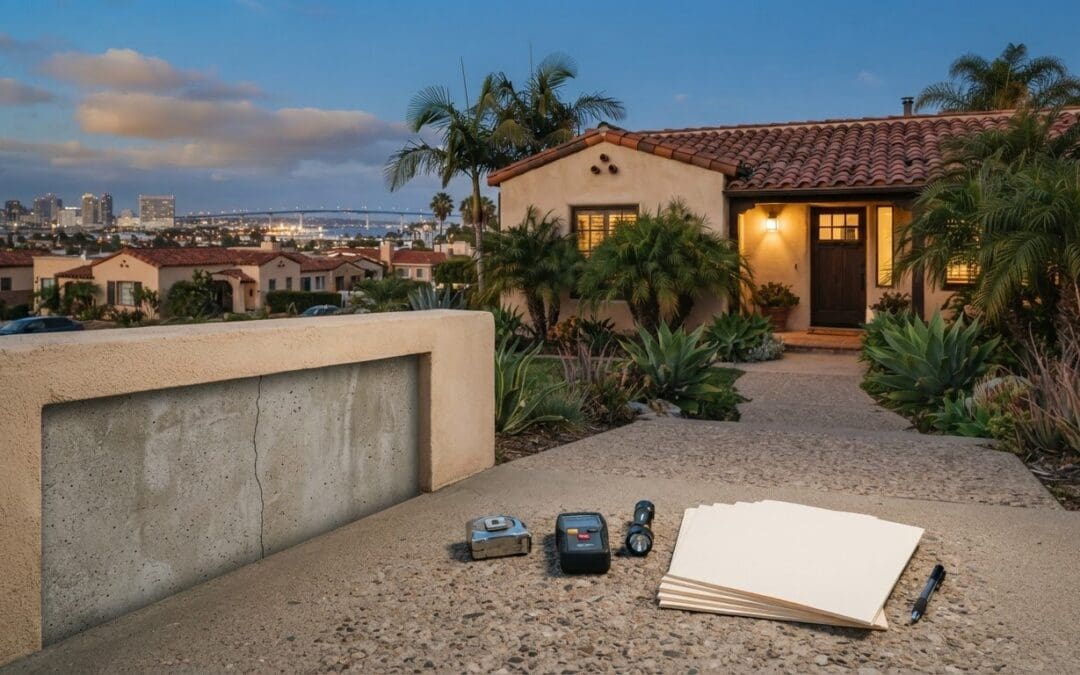
You don’t have to repair a cracked slab before selling, but the right choice depends on the damage and the likely cost of addressing it. If you’re selling a home with a cracked slab in San Diego, first find out whether the crack is cosmetic or may signal ongoing foundation movement. Then compare repair costs with the likely sale price as-is. California sellers must disclose known material defects on the Transfer Disclosure Statement.
A foundation problem can feel like a roadblock when you’re weighing cost, time, and uncertainty. Before deciding whether to repair or sell, document what you know and consider how to present the home to buyers prepared to take on a project. Understanding how different buyers may assess a cracked-slab property can help you choose your next step.
Key Takeaways
- Compare the likely sale proceeds after repairs with an as-is offer, including repair-related work and disruption, before choosing a path.
- Keep written records of known foundation issues, evaluations, repairs, and permits so buyers can understand the property’s history.
- Consider how cash buyers and renovation-loan buyers may differ in their ability to purchase a home that needs structural work.
- Look at the crack alongside signs of movement, drainage, and soil conditions to better understand what may be affecting the slab.
Can You Sell a House in San Diego That Needs Major Repairs?
Yes, you can sell a San Diego house that needs major repairs. Compare the likely proceeds after repairs with an as-is offer. California requires permits for most structural, electrical, plumbing, and HVAC work, so slab repairs involving these areas may need permits.
Repairing Before Listing
Repairing before listing means completing selected work before marketing the property, rather than leaving the repair burden to the buyer. It may make sense when a professional assessment defines the problem and the likely sale-price benefit outweighs repair costs, permit requirements, and disruption.
Repair-and-List Versus As-Is Calculations
Compare the expected sale proceeds after repairs with the likely as-is price, subtracting repair expenses and other sale costs from each estimate. San Diego as-is homes typically sell for 10-20% below market value. Those figures are a comparison example, not a guaranteed valuation.
A mortgage may be harder to obtain when severe structural problems affect the property, which can narrow the buyer pool.
Repair Credits and Other Seller Options
A repair credit is a negotiated amount applied to the transaction instead of the seller completing agreed repairs before closing. It can let buyers manage the work after purchase. An as-is sale or price adjustment offers another way to account for known foundation issues. Buyers using a mortgage may face lender or appraisal constraints, so a credit does not automatically resolve financing concerns.
Focus on visible, manageable presentation improvements rather than covering up signs of movement. Keep foundation cracks visible for evaluation, and retain repair estimates, permits, and invoices. In the City of San Diego, you can search permit records through the Development Services portal.
Seller disclosures and renovation documentation
Before completing disclosure forms for a San Diego sale, write down known slab concerns and gather relevant records. Clear documentation helps buyers understand what you observed, what was assessed, and what was repaired.
California Seller Disclosure Obligations
California sellers must disclose known material defects on the Transfer Disclosure Statement, including known foundation problems. Civil Code 1102 covers disclosure of known foundation issues, so describe what you know rather than minimizing or concealing a crack. If an inspection or structural engineer’s report identified movement, keep the report with your transaction records and refer to its findings accurately.
Distinguish a visible crack from a professional conclusion about its cause. Note where the crack appears, when you first observed it, and whether an inspection or construction work followed. This record gives buyers and lenders a clearer basis for evaluating the house.
Disclosure Considerations
Disclosures should cover the issue’s history, completed repairs, and documents supporting your description. Gather inspection reports, structural engineer findings, contractor invoices, and permits for relevant work. California requires permits for most structural, electrical, plumbing, and HVAC work, so keep permit records with invoices when those project types apply.
Use precise wording and don’t present an assumption as a confirmed diagnosis. If a report identifies a foundation concern, include its date and findings. If a repair addressed a slab leak, keep the paperwork. These details can prevent confusion when a buyer’s inspection raises related questions.
Create a property file with dated photographs, reports, invoices, and permit documents. Label each item by date and subject, such as “slab crack inspection” or “plumbing repair,” and note whether work was completed or recommended. A complete file helps you answer buyer questions consistently and documents the property’s history. Keep original records available through closing, especially if an inspection uncovers another structural concern.
If you’d like guidance on presenting the home and its records, explore seller representation support.

Targeting cash buyers, contractors, and renovation-loan buyers
A cracked slab can affect which buyers can complete a purchase and how they assess the damage. Cash buyers don’t need lender approval or an appraisal, while mortgage buyers may face financing conditions when an appraiser flags structural problems. Renovation-loan buyers may have another path: a 203(k) loan can include home renovation costs in the mortgage.
Cash buyers often value a faster, less lender-dependent closing, but convenience may come with a lower offer. In San Diego, cash sales for homes needing work can take 7-14 days from offer to closing; a traditional fixer-upper sale can take at least 60-90 days to close. Cash home buyers typically offer 60-75% of a home’s fixed-up value. Investors may also use the 70% rule: roughly 70% of after-repair value, minus estimated repair costs.
Consider the work a buyer would need to take on. A contractor or renovation-focused buyer may assess the slab, repair scope, permits, and resale potential together. A cash buyer may focus on the purchase price and the effort required to manage repairs. Have inspection records, known damage history, and repair estimates ready for showings so interested buyers can review the same information.
Some mortgage programs allow buyers to finance distressed properties with foundation issues. A 203(k) loan may suit a buyer planning renovation, but financing still involves lender review, and foundation damage can affect appraisal. Present the home’s condition and available documentation clearly, rather than assuming every renovation buyer qualifies for that loan.
Cash home buyers may make an offer within 24-48 hours after assessing a property. Treat that speed as one factor, not the whole decision: compare the offer, closing timeline, contingencies, and expected repair burden. A higher financed offer may involve appraisal and lender approval, while an as-is cash offer can trade potential proceeds for a simpler transaction.
California seismic and regional soil risks
In San Diego, a slab crack can reflect soil movement, drainage, construction quality, natural aging, or water beneath the home. A slab leak may let water seep into underlying soil, causing it to expand and move the foundation. Before setting a price or planning a sale, distinguish a visible crack from evidence of an ongoing structural problem.
Moderate to serious foundation issues are described as more common in California homes over 50 years old or on problematic soils. Age alone doesn’t establish the cause: poor drainage, severe storms, and humid or dry weather can also contribute. Compare the crack with other signs, such as sloped floors or doors that no longer close squarely, and record where each sign appears.
A structural engineer’s assessment can help explain whether cracks relate to movement, soil conditions, or another cause. An assessment is especially relevant for homes around 20-30 years old or older when foundation warning signs are present. Keep the written findings with property records, so buyers can review the same documented observations.
Regional conditions can also affect how buyers evaluate a property. A hillside drainage issue or soil disturbance may warrant specific attention in an engineer’s review. Treat this separately from diagnosing the slab: it doesn’t establish that a crack resulted from seismic activity or that retrofit work will resolve it.
For an inherited estate or a homeowner weighing an as-is sale, organize the engineer’s report, photographs, and drainage or repair records together. That information helps buyers understand the property’s condition and make a more informed offer. If you’re considering an as-is route, discuss a cash-offer path as part of your sale planning.
County Properties: Seller Representation
County Properties can guide you through a sale when a cracked slab complicates pricing, presentation, or buyer discussions. With Seller Representation, you can weigh listing as-is against preparing the property for sale, then shape a strategy around the home’s condition and your preferred timeline.
If you’re considering a cash offer, County Properties’ Cash Offer Facilitation can help you evaluate that route alongside a traditional sale. Gather inspection findings, repair records, and permit documents to start with a clear picture of the property. This support can also help when you’re coordinating a move or a senior real estate transition.
Contact County Properties to discuss your selling options, or visit countyproperties.us.
Choose the Sale Path That Fits Your Next Move
Deciding whether to repair or sell also means considering what you need from the next stage of life. If you’re selling a home with a cracked slab in San Diego, start with your priorities: the time you can devote to the transaction, the work you’re prepared to manage, and how you want to move forward afterward. That clarity can keep negotiations focused on your goals.
County Properties provides Seller Representation for owners planning a sale, Buyer Representation for people preparing to purchase, and Short Sale and Foreclosure Prevention for homeowners facing financial difficulty. Each service addresses a different real estate need, so the right next step depends on your situation and the decision ahead.
Take your next step with a clear plan and support suited to your circumstances. Contact County Properties about your sale and discuss the path forward.
Frequently Asked Questions
Should You Fix or Should You Sell?
Choose based on the likely net outcome and the work you’re prepared to manage. If repairs have a clear scope and could improve buyer confidence, completing them may suit your plans. If the cause remains uncertain or the project could delay a move, an as-is sale may fit better. Compare written repair estimates with realistic offers, then weigh timing, disruption, and your priorities.
What Repairs Are Worth Making Before Selling Your House?
Prioritize work that addresses the source of a problem or helps buyers evaluate the property. For example, if a slab crack may relate to an under-slab plumbing leak, addressing the plumbing issue can be more useful than simply covering the crack. Keep invoices and permits for completed work. Avoid cosmetic changes that conceal a known condition instead of making it easier to assess.
Why Do Homes Develop Foundation Issues?
Foundation issues can develop from soil conditions, water, drainage, construction problems, natural aging, or severe weather. These factors can interact: poor drainage may leave water near the foundation, while changing soil moisture can affect support beneath a slab. A crack alone doesn’t identify its cause. Share its location and appearance, along with any plumbing or drainage history, to give an inspector useful context.
Can You Sell a Home in San Diego With a Cracked Slab Foundation?
Yes, you can sell a home with a cracked slab in San Diego. A buyer may purchase it as-is, negotiate repairs or a credit, or consider renovation financing. The property’s condition, documentation, price, and financing path all shape the transaction. Be prepared to describe what you know about the crack and provide relevant inspection or repair records during the sale process.
What California Disclosure Requirements Apply to Known Foundation Cracks When Selling a Home?
California sellers must disclose known material defects, including known foundation issues, on the Transfer Disclosure Statement. Civil Code 1102 addresses disclosure of known foundation issues. Describe the crack and any known related findings accurately, and include relevant reports or repair records where appropriate. A seller should distinguish observed facts from a suspected cause, so buyers can assess the information clearly.
How Do San Diego Buyers and Lenders Evaluate a Home With Slab Foundation Damage?
Buyers weigh the property’s condition against its price and repair costs. An inspection or engineer’s findings can help clarify the likely repair scope. Lenders may rely on an appraisal, and severe structural damage can affect conventional mortgage financing. Buyers can compare the home’s appraised value with the purchase price plus expected repair costs to decide whether the deal makes sense.